
BLOG
Tsunaihaiya: The Unbroken Rhythm of Resilience


More than a dance, Tsunaihaiya is a living heartbeat—a vibrant testament to the unyielding spirit of a people. This powerful art form, steeped in history and cultural significance, transforms rhythm and movement into a profound narrative of endurance. It is both a celebration of life and a solemn invocation of inner strength. Let’s explore the origins, performance, and enduring power of Tsunaihaiya, and discover why its pulse continues to beat strongly in the modern world.
Echoes from the Past: The Origin of Tsunaihaiya
The story of Tsunaihaiya is woven into the very fabric of its region’s history. Born centuries ago, it emerged not as mere entertainment, but as a vital form of expression for a community navigating adversity.
The name “Tsunaihaiya” is drawn from ancient local dialects, reflecting a deep, historical bond between artistic expression and daily life. It was a language of emotion when words were insufficient—a creative outlet for joy, sorrow, and solidarity.
Historically, Tsunaihaiya served as the centerpiece of communal gatherings, marking both celebrations and moments of solace. It functioned as a dynamic bridge between generations, with elders passing down stories and steps to the youth, ensuring the community’s collective memory remained alive through each beat and movement.
The Soul of the Community: Cultural Significance
Tsunaihaiya is the soul of its community. It is a powerful symbol of identity and shared resilience, encapsulating the stories, values, and experiences of ancestors in every performance.
This dance acts as a living archive, connecting the past with the present. During festivals and important gatherings, it reinforces social bonds and fosters a powerful sense of unity. It is a medium through which emotions are collectively channeled—transforming individual feelings of joy, grief, and hope into a shared, cathartic experience. In this way, Tsunaihaiya becomes more than performance; it is a reaffirmation of community strength and cultural pride.
The Dance of Storytelling: How Tsunaihaiya is Performed
A Tsunaihaiya performance is a captivating spectacle of synchronized storytelling. Clad in traditional attire that honors their heritage, dancers gather as the deep, resonant call of drums sets the rhythm in motion.
The dancers’ footwork is precise and powerful, each step echoing centuries of tradition. Their movements narrate tales of struggle, survival, and triumph. Intricate hand gestures add layers of meaning, conveying nuances that words cannot capture. As the performance builds, voices often rise in harmony with the music, creating an immersive and electrifying atmosphere that draws both performers and spectators into a shared, emotional journey.
The Rhythm That Heals: Tsunaihaiya’s Therapeutic Power
Beyond its cultural role, Tsunaihaiya possesses a profound healing power. The act of participating—whether as a dancer or an engaged observer—serves as a therapeutic release.
The physicality of the dance allows for the expression and release of pent-up emotions and stress. The communal nature of the performance combats isolation, creating a supportive network where individuals can connect and heal together. The synchronized movements and unifying rhythm generate a powerful sense of collective energy, promoting mental clarity, emotional catharsis, and inner peace. For many, it is a path to revitalization and self-discovery.
A Living Tradition: Modern Evolution of Tsunaihaiya
While deeply traditional, Tsunaihaiya is not confined to the past. It is a dynamic art form that continues to evolve. Contemporary artists are breathing new life into it by fusing its core rhythms with modern genres like hip-hop and electronic music.
This innovative spirit has attracted a new, younger generation of enthusiasts. Dance troupes now feature Tsunaihaiya on global stages, and social media platforms have become digital arenas for its vibrant expression. Worldwide workshops ensure that the knowledge and spirit of Tsunaihaiya are passed on, proving that its essence can be preserved even as its form adapts for the future.
Conclusion: Carrying the Beat Forward
Tsunaihaiya is far more than a cultural artifact; it is the enduring rhythm of resilience itself. It reminds us that true strength lies in community, expression, and the courage to dance through life’s storms.
The responsibility now lies with us to ensure this powerful legacy continues. By supporting its practitioners, embracing its evolution, and teaching its significance to the next generation, we can keep the beat of Tsunaihaiya alive. Let us champion this extraordinary art form so that its timeless message of resilience may inspire storytellers, dancers, and dreamers for generations to come.
ALSO VISIT;
David Borhaz: The Architect of Impact-Driven Success
What Is the Average Hydro Jetting Cost? Complete Guide to Hydro Jet Plumbing Services
Asian Step Sisters Take Study Break – Decoding the Viral Trend
Ciara Rampolla: Inspiring Math Tutor Transforming Student Success at Saga Education
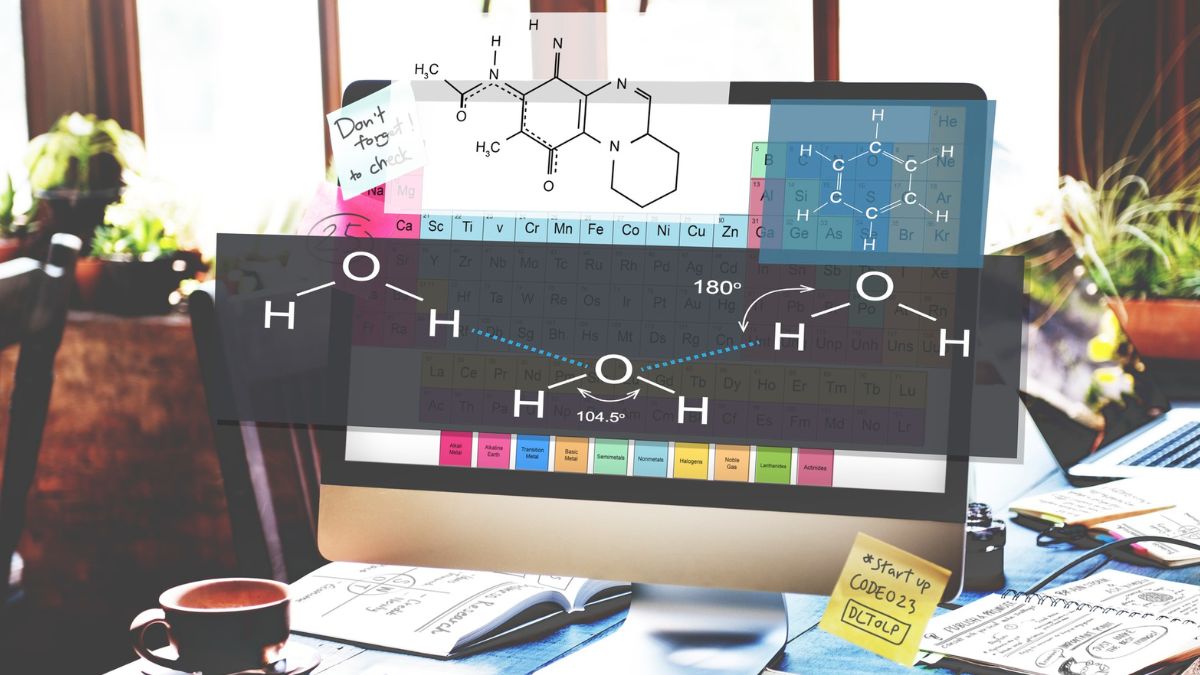
In organic and industrial chemistry, seemingly simple molecular systems often hold remarkable importance. One such system is HCOOH CH2 H2O, a combination involving formic acid (HCOOH), methylene-related units (CH2), and water (H2O). While not a single compound, this grouping represents a reaction environment or chemical framework frequently encountered in synthesis, catalysis, and sustainable technologies.
From laboratory experiments to industrial-scale applications, the interaction between formic acid, methylene-containing intermediates, and water plays a crucial role in modern chemistry. This comprehensive guide explores the structure, properties, reactions, safety considerations, and future potential of HCOOH CH2 H2O systems, offering a clear and practical understanding for students, researchers, and professionals alike.
What Does HCOOH CH2 H2O Represent?
The notation HCOOH CH2 H2O does not describe a single molecular formula. Instead, it highlights a chemical system where these three components coexist or interact during reactions.
Breaking Down the Components
HCOOH (Formic Acid)
Formic acid is the simplest carboxylic acid. It occurs naturally in ant venom and plant secretions and is widely used in chemical manufacturing. Its strong acidity and reducing ability make it a key reagent in many reactions.
CH2 (Methylene Unit)
CH2 is not a stable molecule on its own but represents a methylene group found in compounds such as methanol (CH3OH), formaldehyde (CH2O), and various organic intermediates. It often acts as a reactive carbon center in synthesis.
H2O (Water)
Water is far more than a solvent. It actively participates in hydration, hydrolysis, acid–base equilibria, and catalytic cycles. In HCOOH CH2 H2O systems, water strongly influences reaction rates, selectivity, and stability.
Together, these components form the basis of many reactions in organic chemistry, green chemistry, and industrial processing.
Chemical Properties of HCOOH CH2 H2O Systems
Formic Acid: Reactivity and Behavior
Formic acid exhibits unique chemical behavior compared to other carboxylic acids. It acts as both an acid and a reducing agent, readily donating protons in aqueous solutions. In HCOOH CH2 H2O systems, formic acid often serves as:
- An acid catalyst
- A hydrogen source
- A reducing agent in metal and organic reactions
Its complete miscibility with water enhances its reactivity and usability in aqueous environments.
Methylene Groups: Carbon Reactivity
CH2-based units play a structural and reactive role in organic chemistry. In reactions involving HCOOH CH2 H2O, methylene groups commonly originate from methanol, formaldehyde, or related derivatives. These groups facilitate:
- Carbon–carbon bond formation
- Oxidation and reduction reactions
- Polymerization and condensation pathways
Their versatility makes them indispensable in synthesis chemistry.
Water: Reaction Control and Stability
Water regulates chemical systems by controlling temperature, pH, and equilibrium. In HCOOH CH2 H2O mixtures, water:
- Enhances solubility of reactants
- Stabilizes charged intermediates
- Participates directly in hydrolysis and hydration
Its presence often determines whether a reaction proceeds efficiently or stalls.
Key Reactions Involving HCOOH CH2 H2O
Esterification and Hydrolysis Reactions
One of the most common reactions involving this system is ester formation. Formic acid reacts with methanol (a CH2-containing compound) to produce methyl formate and water:
HCOOH + CH3OH ⇌ HCOOCH3 + H2O
This reversible reaction illustrates how HCOOH CH2 H2O components coexist in equilibrium-driven systems. Water content directly affects yield and reaction direction.
Formaldehyde and Methanol Interconversions
Formic acid participates in pathways leading to formaldehyde and methanol formation. In catalytic or thermal conditions, CH2-based intermediates appear, with water moderating reaction kinetics and preventing unwanted side reactions.
These processes are essential in chemical manufacturing, especially in producing resins, plastics, and solvents.
Redox and Catalytic Reactions
Formic acid functions as a hydrogen donor in transfer hydrogenation reactions. In aqueous systems, CH2 intermediates facilitate hydrogen transfer, making HCOOH CH2 H2O valuable in catalytic chemistry and metal reduction processes.
Industrial Applications of HCOOH CH2 H2O
Formic Acid in Manufacturing
Industrially, formic acid is widely used in:
- Leather tanning
- Textile processing
- Rubber coagulation
- Agricultural preservatives
Water-based formic acid solutions often involve methylene-related intermediates, making HCOOH CH2 H2O systems common in large-scale operations.
Synthesis of Organic Chemicals
The interaction of formic acid with methylene-containing compounds supports the synthesis of:
- Formaldehyde
- Methanol
- Esters and solvents
These reactions form the backbone of chemical supply chains used in plastics, coatings, and pharmaceuticals.
Fuel Cell and Energy Technology
Formic acid is emerging as a promising hydrogen carrier. In aqueous systems, HCOOH CH2 H2O plays a role in controlled hydrogen release for fuel cells. CH2-based intermediates assist in electron transfer, improving energy efficiency and safety compared to compressed hydrogen.
Laboratory Applications of HCOOH CH2 H2O
Reaction Media and Solvents
In laboratory chemistry, aqueous formic acid solutions dissolve metal salts, catalyze reactions, and support controlled synthesis. CH2-containing reagents adjust reaction pathways, allowing precise control over product formation.
Analytical Chemistry Uses
HCOOH CH2 H2O components frequently appear in:
- Titration experiments
- Chromatography mobile phases
- Spectroscopic analysis
Their presence affects pH, polarity, and signal sensitivity, making them valuable tools in analytical workflows.
Environmental and Safety Considerations
Safe Handling of Formic Acid
Formic acid is corrosive and can cause burns or respiratory irritation. Any system involving HCOOH CH2 H2O requires:
- Proper ventilation
- Protective gloves and eyewear
- Neutralizing agents for spills
Dilution with water reduces risk but does not eliminate hazards.
Environmental Impact and Waste Disposal
While formic acid is biodegradable, reactions involving CH2 intermediates may generate volatile organic compounds (VOCs). Responsible waste management and regulatory compliance are essential to prevent air and water contamination.
Future Research and Sustainable Innovations
HCOOH CH2 H2O systems are gaining renewed attention through green chemistry initiatives. Current research focuses on:
- Bio-based synthesis using renewable formic acid and methanol
- Advanced catalysts that increase efficiency and reduce waste
- Alternative energy solutions, including portable fuel cells
These innovations position this chemical system as a key contributor to sustainable industrial practices.
Conclusion: Why HCOOH CH2 H2O Matters
The HCOOH CH2 H2O system represents a foundational framework in chemistry rather than a single compound. Its importance spans organic synthesis, industrial manufacturing, energy technology, and environmental science. By understanding how formic acid, methylene intermediates, and water interact, chemists unlock safer, cleaner, and more efficient processes.
From laboratories to large-scale production and future energy solutions, this versatile chemical combination continues to shape modern science. Mastering its behavior not only deepens chemical knowledge but also supports innovation in a more sustainable world.
ALSO VISIT;
Aurö: Exploring the Origins, Meaning, and Lasting Significance of a Timeless Symbol
Gaymetu e: Exploring the Evolution, Impact, and Future of LGBTQ+ Gaming Culture
Asbestlint Removal Guide for Homeowners: Safe, Step-by-Step Solutions to Protect Your Home

In a competitive and ever-evolving business environment, companies need more than generic advice to survive and scale. They need clarity, structure, and a strategy designed specifically for their growth stage. This is where Charfen.co.uk has positioned itself as a powerful force in the consulting industry. Known for its entrepreneur-focused frameworks and human-centered approach, Charfen.co.uk helps businesses unlock sustainable growth while building resilient leadership teams.
Whether you are launching a startup, scaling a fast-growing company, or restructuring an established organization, Charfen.co.uk delivers tailored consulting solutions that go far beyond traditional methods. This in-depth guide explores the company’s origins, services, success stories, and what truly makes Charfen.co.uk a game-changer in modern business consulting.
The Vision and Origins of Charfen.co.uk
Charfen.co.uk was founded on a simple but powerful belief: entrepreneurs and business leaders deserve strategies that reflect their real-world challenges. The founder recognized early on that many consulting firms relied on rigid frameworks that ignored the emotional and operational realities of leadership.
With extensive experience across multiple industries, the founder built Charfen.co.uk by blending hard-earned business lessons with empathy and practical execution. Every setback, success, and insight contributed to a consulting philosophy focused on clarity, momentum, and measurable results.
From day one, Charfen.co.uk rejected one-size-fits-all solutions. Instead, it embraced personalization as its core strength. This vision allowed the company to stand out quickly, attracting leaders who wanted more than theory—they wanted transformation.
Core Consulting Services Offered by Charfen.co.uk
Charfen.co.uk delivers a comprehensive suite of consulting services designed to help businesses grow efficiently while strengthening leadership capabilities. Each service aligns with the company’s mission to create clarity and sustainable momentum.
Strategic Business Growth Planning
One of the flagship offerings at Charfen.co.uk is strategic business planning. Consultants work closely with clients to define clear objectives, identify growth barriers, and create actionable roadmaps. These strategies align daily operations with long-term vision, ensuring every decision supports scalable success.
Leadership Coaching and Executive Development
Strong leadership drives strong organizations. Charfen.co.uk provides specialized leadership coaching to help executives develop confidence, decision-making skills, and accountability systems. This service empowers leaders to guide teams effectively, even in high-pressure environments.
Operational Efficiency and Process Optimization
Inefficient processes slow growth. Through detailed operational assessments, Charfen.co.uk identifies workflow gaps and performance bottlenecks. The firm then implements streamlined systems that improve productivity, reduce waste, and support scalable operations.
Marketing Strategy and Brand Positioning
Charfen.co.uk also offers customized marketing strategies tailored to competitive markets. By analyzing industry trends and customer behavior, the team helps businesses strengthen brand visibility, refine messaging, and engage their ideal audience with precision.
Real Success Stories from Charfen.co.uk Clients
The impact of Charfen.co.uk is best illustrated through real-world results. Businesses across various sectors have experienced measurable improvements after working with the firm.
A technology startup struggling to scale operations partnered with Charfen.co.uk to gain structure and clarity. Within months, the company optimized internal systems and achieved a 50% increase in productivity without expanding its workforce.
In the retail sector, a growing brand faced declining employee engagement and inconsistent performance. Charfen.co.uk implemented leadership frameworks and accountability systems that revitalized company culture. The result was a 30% increase in quarterly sales and a more motivated team.
Beyond metrics, many clients highlight personal transformation. Leaders frequently describe gaining focus, confidence, and control over their businesses—qualities that allowed them to grow without burnout.
What Makes Charfen.co.uk Different from Other Consulting Firms
The consulting industry is crowded, but Charfen.co.uk stands apart through its philosophy and execution.
Entrepreneur-Centered Consulting Model
Unlike traditional firms that prioritize corporate structures, Charfen.co.uk specializes in entrepreneurs and growth-stage businesses. This focus allows the firm to address challenges unique to founders, such as rapid scaling, decision fatigue, and team alignment.
Customized Solutions, Not Templates
Charfen.co.uk builds strategies around each client’s specific needs, goals, and operational realities. This personalized approach ensures recommendations are practical, relevant, and immediately actionable.
Transparency and Collaboration
Clients value the firm’s transparent communication style. Regular check-ins, progress tracking, and collaborative planning sessions keep everyone aligned and accountable throughout the consulting journey.
Education-Driven Empowerment
Charfen.co.uk goes beyond consulting by offering resources that help clients develop independent problem-solving skills. This commitment to education promotes long-term success rather than dependency.
How to Maximize Results When Working with Charfen.co.uk
To fully benefit from Charfen.co.uk’s consulting services, clients should approach the partnership with intention and openness.
Start by clearly defining your goals. Knowing what success looks like allows consultants to tailor strategies effectively. Active participation also matters. Asking questions, sharing insights, and engaging in discussions strengthen collaboration and outcomes.
Remain open to feedback. Constructive input fuels growth and helps identify blind spots. Applying recommendations consistently ensures momentum doesn’t stall.
Take advantage of all available resources. Charfen.co.uk provides tools, frameworks, and guidance designed to support long-term implementation. Regular progress reviews also help maintain alignment and measure success.
Finally, adopt a mindset open to change. Innovation often requires discomfort, but those willing to adapt gain the greatest rewards.
Why Charfen.co.uk Is Redefining Business Consulting
Charfen.co.uk has reshaped what modern consulting looks like by combining strategy, empathy, and execution. Its founder-led vision, entrepreneur-focused frameworks, and personalized services deliver results that extend beyond short-term wins.
Clients don’t just receive advice—they gain clarity, confidence, and systems that support sustainable growth. Success stories across industries prove that Charfen.co.uk’s methodologies work in real-world environments.
What truly sets Charfen.co.uk apart is its commitment to partnership. The firm invests in understanding each client’s challenges and goals, creating solutions that drive meaningful, lasting change.
For business leaders ready to scale with purpose and resilience, Charfen.co.uk offers more than consulting—it offers a path to transformation. Choosing to work with this innovative firm means investing in clarity, momentum, and a future built on strategic strength.
ALSO VISIT;
Meaimee 3: The Ultimate Content Creation Platform for Modern Digital Creators
Ceıvır: Discovering the Rich Flavors and Cultural Heritage of a Traditional Turkish Dish
Blazertje: The Ultimate Wardrobe Essential to Elevate Your Style

When it comes to design, craftsmanship, and artistry, few words capture perfection quite like Acamento. Rooted in Portuguese and Italian, the term translates to “finishing” or “completion,” symbolizing the final, refined touches that elevate an ordinary creation into a masterpiece. Whether in interior design, fashion, architecture, or product manufacturing, Acamento defines the essence of refinement and attention to detail.
What Is Acamento? The True Meaning Behind the Finish
At its core, Acamento represents the finishing process applied to materials such as wood, stone, metal, or plastic. It’s where functionality meets beauty — the stage where surfaces are polished, coated, or treated to achieve a desired texture, sheen, and protection.
A flawless Acamento doesn’t just enhance durability; it transforms the way we perceive and feel a product or space. From glossy wooden tables to matte metal designs, every finish tells a story of craftsmanship and intention.
The Deeper Meaning of Acamento: Beyond Surface Beauty
While literally translating to “finish” or “completion,” Acamento carries a much deeper connotation. It embodies precision, craftsmanship, and deliberate artistry — the mindful details that tie a creative vision together.
It’s the difference between a flat-painted wall and one with a rich, velvety finish. Between an ordinary garment and one that feels perfectly tailored. Acamento is where ideas meet execution.
Acamento in Interior Design: The Soul of a Finished Space
In the world of interior design, Acamento defines the elements that come after construction — the visual and tactile components that bring warmth, character, and emotion to a space. This includes:
- Paint finishes like matte, satin, or gloss
- Decorative trims, moldings, and baseboards
- Surface materials such as tile, wood panels, and wallpapers
- Fixtures like doorknobs, faucets, and lighting
For designers, Acamento is not just about visual appeal; it’s about evoking emotion. A well-finished space can convey elegance, luxury, or simplicity — all through the careful choice of materials and finishes.
Acamento in Architecture and Construction
In construction, Acamento refers to the visible finishes that define a building’s identity and performance. These include:
- Exterior cladding and siding
- Floor finishes such as vinyl, ceramic, or hardwood
- Interior paints, false ceilings, and fittings
A thoughtful architectural Acamento not only enhances the aesthetic of a structure but also adds protective layers that improve durability and increase property value.
Functional vs. Decorative Acamento: Balancing Purpose and Style
Acamento can be functional, decorative, or both.
- Functional finishes protect materials — like waterproof tiles in a bathroom or heat-resistant coatings in kitchens.
- Decorative finishes elevate visual appeal — like a polished marble countertop or a textured concrete wall.
The perfect Acamento strikes a balance, ensuring beauty doesn’t compromise utility.
Acamento in Fashion: The Finishing Touch That Defines Style
In fashion, Acamento determines how a garment feels, fits, and looks. Designers use techniques such as:
- Hemming, topstitching, or piping for structure
- Fabric treatments like stone-wash, gloss, or acid-wash for texture
- Embroidery, appliqués, or trims for style
A brand that values Acamento delivers premium quality — from smooth seams to immaculate finishes. Even a basic T-shirt can feel luxurious when finished with care.
Acamento in Furniture and Product Design
In furniture and product design, Acamento is the defining step that determines both appearance and longevity. Common examples include:
- Varnishing wooden surfaces
- Powder coating metal frames
- Upholstery details like tufting or stitching
These finishing touches not only enhance aesthetics but also protect against wear, moisture, and fading — ensuring that beauty lasts as long as function.
Cultural and Global Interpretations of Acamento
Across different cultures, Acamento embodies unique expressions of craftsmanship:
- In Brazilian architecture, it refers to the visible final layers that express character and artistry.
- In Japanese minimalism, Acamento represents purity, balance, and precision.
- In European fashion, it reflects a legacy of craftsmanship passed down through generations.
No matter the region, Acamento consistently symbolizes care, excellence, and quality.
How to Choose the Right Acamento for Your Project
Selecting the right Acamento is both an art and a science. Consider:
- Functionality: Will it endure regular use or weather exposure?
- Style: Do you want a rustic, modern, or glossy look?
- Material Compatibility: Not every finish works for every surface.
- Maintenance: Opt for finishes that are easy to clean and maintain.
Consulting with a designer or craftsman ensures you choose an Acamento that enhances both the look and longevity of your project.
Sustainable Acamento: A Modern Approach to Eco-Friendly Design
As sustainability becomes a priority, eco-conscious Acamento solutions are reshaping industries. Popular options include:
- Low-VOC or water-based paints
- Natural oils instead of chemical varnishes
- Biodegradable textile coatings
- Recycled materials for surfaces and finishes
These choices not only minimize environmental impact but also improve air quality and well-being, merging aesthetics with responsibility.
Common Mistakes to Avoid with Acamento
Even a small misstep in finishing can compromise quality. Avoid:
- Using incompatible materials or finishes
- Choosing low-quality coatings that fade or peel
- Rushing the process to cut costs
- Ignoring lighting, which dramatically affects appearance
A thoughtful, well-executed Acamento ensures your creation looks polished and endures beautifully over time.
Why Acamento Deserves the Spotlight
Whether you’re designing a home, crafting a garment, or building a product, Acamento is not an afterthought — it’s the final statement. It reflects taste, craftsmanship, and pride. A well-executed Acamento transforms function into art and ensures your creation stands out in a world full of mediocrity.
Conclusion: Acamento — The Beauty of Completion
Acamento is more than a finishing touch; it’s the embodiment of excellence. From interior spaces to fashion and architecture, it defines how we experience beauty, quality, and purpose. As the world embraces sustainable and high-quality design, Acamento remains the bridge between creation and perfection — proving that, in the end, it’s the finish that makes all the difference.
ALSO VISIT;
Exploring the World of ZVideo: The Future of Online Media in 2025
هنتاوي.com: The Ultimate Hub for Arabic-Subtitled Anime Fans in 2025
-

 BLOG9 months ago
هنتاوي.com: The Ultimate Hub for Arabic-Subtitled Anime Fans in 2025
-

 BLOG11 months ago
Why Бишкоти ди Прато are the Best Cookie for Your Coffee
-

 BLOG7 months ago
Understanding HCOOH CH2 H2O: Structure, Properties, Reactions, and Real-World Applications
-

 BLOG10 months ago
Jacksonville’s Computer Network Issues: Expert Solutions for Reliable Connectivity
-

 BLOG10 months ago
Message Blocking Is Active: Meaning, Causes, and Proven Fixes
-

 BLOG7 months ago
Charfen.co.uk Review: A Complete Guide to Transformational Business Consulting
-

 BLOG10 months ago
Mike Wolfe Passion Project: Preserving History Beyond American Pickers
-

 BLOG10 months ago
Siozinis Revealed: Vaidas’ Age, Biography, and Journey Through Lithuania’s Entertainment Industry